24 October 2026
Lasting Solutions: Permeable Interlocking Pavers for Driveway Installment
Presented by @marcohzka427
Permeable interlacing concrete pavers have been about enough time to drop the uniqueness label. They manage everyday car web traffic, absorb storms that would certainly flood a traditional piece, and festinate in a domestic or small industrial setting. When designed and mounted well, they function like a small watershed under your wheels. Water undergoes the joints, into a stone storage tank, and either permeates into the ground or exits via a regulated outlet. The surface remains company and eye-catching, the base quietly shops and takes care of runoff, and the entire system makes its maintain for decades.
I have actually mounted permeable systems on driveways that rest next to trout streams, in tight urban whole lots where stormwater rules leave no shake area, and on dead ends where next-door neighbors at first doubted the idea, then called the next season to request for their own. Every website brings its very own collection of restrictions. The method is repeatable, however the paver driveway Walnut Creek judgment phone calls are what maintain the job interesting.
Why permeable interlacing pavers make good sense on a driveway
Most driveways send water straight to the street. On a summertime thunderstorm, that sheet of overflow can lug oil residue, brake dust, plant food from the lawn, and a lot of great sediment. An absorptive interlacing system transforms the driveway right into a filter and a temporary cistern. The joints are full of a little, tidy rock, not sand. Water slides down right into an open rated aggregate base with huge spaces, where it slows down, spreads, and soaks. Pollutants settle in the top layer rather than sprinting to the local inlet.
The efficiency gains are concrete. Initial surface infiltration prices are commonly more than 100 inches per hour when measured on a tidy new installation, which indicates even intense cloudbursts have area to take a breath. That capacity decreases as fines accumulate, yet with routine vacuum sweeping the surface typically remains far above what most tornados demand. When local dirts accept infiltration, the system decreases pressure on storm sewers and reenergizes groundwater. Where hefty clay or high groundwater eliminate complete infiltration, the same assembly can be throttled with an underdrain to control discharge without shedding the benefits of filtration and storage.
There is likewise the issue of looks and durability. Well made pavers with tight tolerances secure into a textured plane that matches both older brick homes and straightforward modern-day facades. Shades hold, repair work are pain-free, and the surface tolerates freeze cycles better than a monolithic put because it is made to move.
The makeup of an absorptive paver system
Think in layers. The pavers ahead are just the noticeable tip of a small civil works project. Below them sits a bed linens layer of little chip stone that degrees the units and gives drainage. Much deeper still, an open rated storage tank base carries a lot of the water storage and structural lots. Along the edges, restrictions maintain whatever in position. Somewhere in the stone, a geotextile may sit to separate soils, or a perforated underdrain might wind its way out to daylight or a regulated outlet. The charm of the system is that it scales. A short urban driveway can get by with a moderate tank and no underdrain if soils penetrate. A long sloped drive over clay requires even more deepness and a pipe.
Aggregate option matters. The rocks are purposely gap graded to create voids. An usual layering strategy uses a small chip stone for the bed linen and joints, a medium sized stone as a collar program to lock in the bed, and a bigger clean rock for the storage tank. Those dimensions vary by region and provider, yet the intent remains constant: clean, angular, well rated within each layer, and washed to remove fines. Angular rock resists motion. Spherical river crushed rock does not belong in the structure.
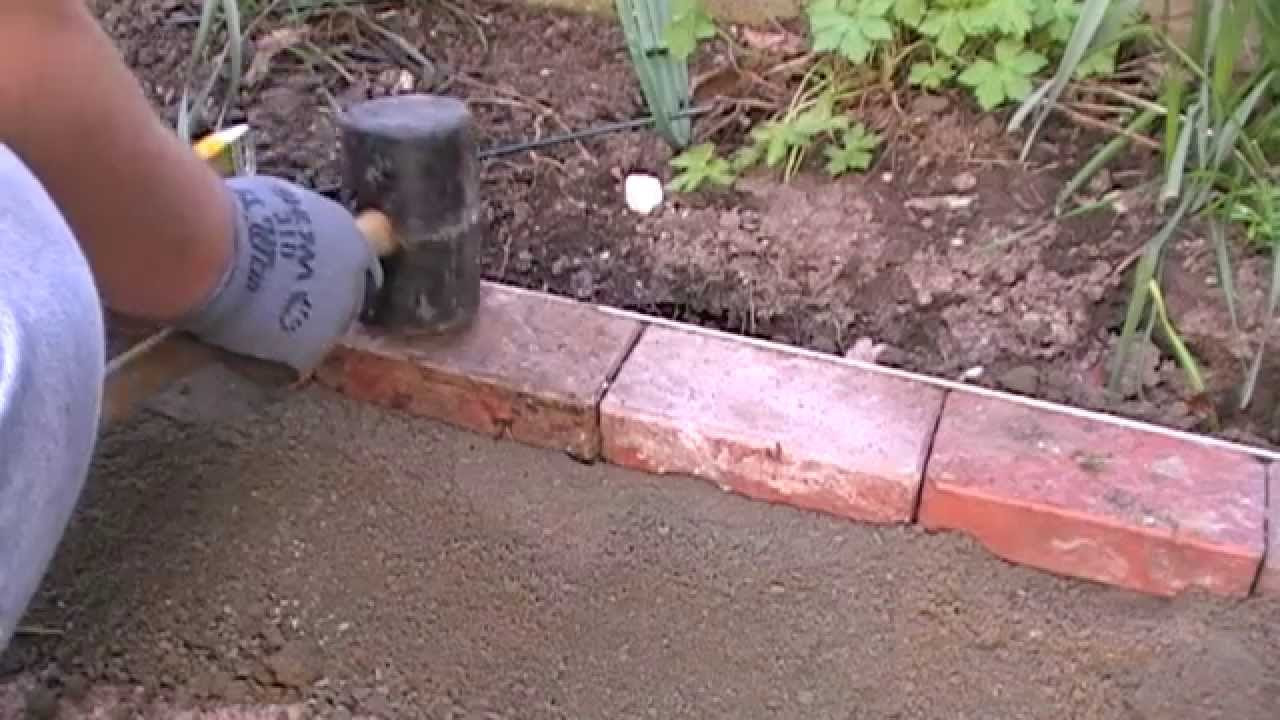
Edge restraints do the peaceful job that maintains the field tight under website traffic and temperature swings. Concrete curbs with an integral footer, well pinned plastic restraints rated for permeable installments, or a soldier program locked in mortar against a put beam of light all job when sized to the load.
What it requires to bring automobiles without rutting
Driveways are stealthily tough on pavements. Even when only 2 autos reoccured, the load repeats in the very same wheel paths day after day. A permeable system does well when the base is developed to handle that stress and anxiety while still holding sufficient water to fulfill the task's storm goals. Those two demands push in contrary directions. Even more rock deepness increases both strength and water storage, however also adds cost and excavation. The best solution resides in between and depends upon subgrade toughness, web traffic, and rainfall.
We beginning with subgrade screening. On domestic work, a probe and visual dirts inspect typically inform you whether you are sitting on firm sandy loam or a damp plastic clay. For bigger work, a simple vibrant cone penetrometer examination or area bearing checks help size the base. If the subgrade is weak, scarify lightly, add a non woven geotextile separator with a high permittivity, and stay clear of over compaction that would seal the surface. If it is strong and drains, you might not require geotextile at all.
Base density then reflects web traffic course. For a common two cars and truck Driveway Paving Installment that sees automobiles and the occasional delivery van, I specify a tank deepness in the 8 to 12 inch array over undisturbed dirts, not counting the bed linens. On an estate drive that anticipates relocating vans or regular service trucks, 12 to 18 inches brings satisfaction. The open graded base has a gap proportion near 40 percent, so every 10 inches of depth stores approximately 4 inches of rainfall spread out across the impact. That quick psychological math assists when a municipality requests for on site storage equivalent to a one inch storm over the paved area.
Compaction of open rated stone is different from thick graded road base. You do not work water right into the mix or chase after excellent density numbers. Instead, you put in lifts of 4 to 6 inches, run a reversible plate or light roller, and check for side movement under the maker. The goal is to seat the angular stone, not crush it penalties. Exhausting presents dirt that will certainly clog the top later.
Where underdrains fit, and when to avoid them
Underdrains are not a default. They add expense and can short circuit seepage if made use of thoughtlessly. I reach for a perforated pipe when the native dirt infiltrates badly, groundwater sits high, or the site requires favorable drainage within a set drawdown home window. The pipeline rests near all-time low of the storage tank with its invert simply high adequate to leave some storage space quantity for water quality. Wrap the pipeline in a brief sleeve of geotextile to keep tiny stones out, or make use of a slotted pipeline with a slim gravel envelope. Prevent covering the entire base in fabric like a burrito. That trick seems tidy theoretically, but it becomes a canal for penalties and reduces the life of the system.
On sandy or loamy soils that pass straightforward percolation checks, missing the underdrain maintains the style basic and allows the ground do the work. Some clients like the redundancy of a capped cleanout linked to a stubbed underdrain, ready to be opened up if a fanatic event or a future enhancement changes runoff patterns. That concession costs little and gets flexibility.
Comparing expenses with traditional driveways
Numbers vary by region, accessibility, and your option of paver, yet a couple of arrays aid set expectations. Conventional asphalt on a household drive frequently drops in the 5 to 8 bucks per square foot variety when no base reconstruction is required. Plain concrete normally lands around 8 to 12 dollars per square foot. Permeable interlocking pavers, including the specialized aggregates, commonly run 12 to 22 bucks per square foot mounted for a driveway sized task. Elaborate patterns, tight gain access to, or deep storage tanks press the number up. Discounts or stormwater credit scores can bring it back down.
On paper, permeable appearances costly. Over a two decades perspective, the calculus shifts. Area fixings on pavers are local and assimilate. If an energy cut is needed, you pull devices, deal with the line, restore the stone, and relay the exact same pavers. Freeze damage that would spiderweb a concrete piece appears as a few loosened systems that take an hour to reset. Owners that position value on keeping water on site, staying clear of sump pump fights with next-door neighbors, and meeting permit responsibilities commonly see the costs as money well spent.
Design choices that boost day to day performance
Two information make the individual experience: joint size and pavement texture. Broader joints enable quicker consumption and are much less vulnerable to securing under a few roaming fallen leaves, yet they also relocate the appearance from crisp to rustic. Slim joints maintain a sharp grid and still supply plenty of infiltration if the job is kept. For household driveway job, I often tend to pick pavers with integrated spacers that develop a joint large sufficient for the correct chip rock without leaving large spaces. Joints need to be deep, not shallow. That depth holds the rock, keeps tires from drawing it out, and helps trap penalties prior to they work out right into the bedding.
Surface appearance affects grip, noise, and winter season handling. A a little tumbled face conceals scuffs and feels comfy underfoot. An obvious bevel looks wonderful but can telegram even more tire noise on tight turns. When snow belongs to life, avoid extremely smooth surfaces. Rakes trip fine on absorptive pavers if the blade has shoes or a polymer edge established a hair above the surface. Deicing salts do not merge on the top the way they do on thick concrete. They function efficiently because meltwater recedes and can not refreeze as a glaze.
A sensible installment series for reliability
- Evaluate the website. Confirm home lines, mark energies, and observe where water currently relocates. Recognize downspouts that dispose onto the drive, and decide whether to link them into the tank or reroute them throughout landscape.
- Excavate with restraint. Maintain uninterrupted subgrade where feasible. Avoid driving heavy equipment over exposed dirts. Cut to the layout depth with a tidy bench. If the subgrade is soft, support with a non woven geotextile separator.
- Place the open rated base in controlled lifts. Usage tidy, angular aggregate. Compact to lock the stones, not to compel fines. Inspect altitudes versus string lines and a turning laser. Establish slope towards any kind of underdrain outlet.
- Install edge restraints and lay bed linen. Set restrictions on firm assistance so they resist outside thrust, after that screed the bed linens layer to a consistent thickness. Maintain it dry and clean. Do not stroll or drive over it after screeding.
- Lay, cut, and seat the pavers. Job from the nadir up, pull string lines frequently, and cut systems with a saw to preserve tight boundaries. Fill up joints with clean chip rock, sweep, and vibrate the surface area with a plate compactor fitted with a safety pad. Complement joints until they no longer accept more stone.
That series reveals the rhythm, yet lots of projects need a few twists. On a steep method, for instance, stage the rock deliveries to decrease tracking and wash down the street each night. On a shaded site under conifers, design the maintenance plan to consist of a springtime and autumn vacuum cleaner move to remain in advance of needles.
Maintenance that maintains seepage high
Permeable sidewalks reward light, normal treatment. I tell clients to consider them like a hardscape variation of a high efficiency rain gutter: gather, share, and tidy. The surface area will record penalties brought by wind, tires, and nearby soil. Left alone, those fines knit the top and slow-moving consumption. A light vacuum sweep once or twice a year pulls them out of the joints. The appropriate tools issues. Make use of a regenerative air or vacuum sweeper, not a high stress clean that drives fines much deeper. Household store vacs can manage little areas around garage doors or under a basketball hoop.
Weeds make for good images in concern mongering posts, yet they normally signal nearby soil or mulch migrating onto the surface area. Hand draw where they show up, after that solve the resource. Refill joints with the exact same tidy chip stone if you discover negotiation after the initial season. Snow removal works like any various other paver surface, with the one caution concerning blade footwear pointed out earlier. Avoid sand. It loads joints and strips away the very ability you paid for.
If the system has an underdrain, consist of the outlet in your seasonal stroll around. Clear rodent nests, validate the orifice or valve still works if you have one, and examine that outlet protection has not shifted.
Where absorptive systems shine, and where to believe twice
Permeable interlocking pavers succeed on driveways with modest grades, healthy troubles from large trees, and dirts that either infiltrate or a minimum of do not pond for days. They also make good sense where community regulations promote on site stormwater control, or where a home owner intends to safeguard a close-by lake. The adaptable surface endures small negotiation and energy work much better than a constant piece. The visual alternatives assistance when an owner desires the driveway to read as component of the landscape rather than a strip of pavement.
There are side cases. Very steep slopes can exceed the joint consumption and enable water to run over as opposed to in. Generally of thumb, grades over about 6 to 8 percent are entitled to added idea, either by broadening the area with a touchdown, adding check bands at intervals, or splitting the area with landscape breaks to reduce flow. Websites with a canopy of fully grown woods may require even more frequent sweeping to take care of ground cover. Very great loess soils that blow in by the tablespoon can clog joints unless windbreaks and groundcovers secure the edges. Hefty truck website traffic in limited turning distance requires enhanced boundaries and probably a larger paver unit.
Integrating Walkway Paving Setup with a permeable driveway
Few projects involve the driveway alone. Front strolls, side courses to service yards, and balcony links link into the exact same space. Making use of the very same absorptive method for Walkway Paving Installation streamlines drain and produces an aesthetic string from aesthetic to door. Pedestrian zones allow slimmer base depths while still helping with stormwater. On limited websites, I will run a shared reservoir under both the drive and stroll to make sure that the roofing system leader discharge finds a solitary, generous stone bed. It is cleaner to take care of one outlet or seepage target than several tiny ones.
Details shift at changes. Where the stroll satisfies actions or stoops, the bed linen rests greater to catch a riser that might not be driveway paver installation Pleasant Hill completely straight. Establish a clean drip side along the foundation to maintain joint stone from detecting the compost. Where a pathway meets the driveway paving setup, straighten pattern modules so reduces land clean and remove little slivers that roam with time. Those tiny changes read as craftsmanship long after the crew vehicles leave.
Permitting, stormwater credits, and documentation that saves time
Municipalities have warmed to permeable paving due to the fact that it aids them fulfill wider watershed responsibilities without constructing brand-new pipelines. Many deal credit scores against resistant area charges or count the system towards called for water top quality volume. The fine print varies, however typical themes repeat. You will certainly need a basic layout recap that mentions the paved location, the storage space volume in the rock, whether you mean full infiltration or a controlled launch, and the upkeep strategy with that is responsible.
Draft that a person web page early. It opens permit authorizations and avoid lost suspicion. I consist of a sketch that shows layer depths and an electrical outlet if existing. Where infiltration belongs to the guarantee, also a standard area percolation result and a note on seasonal groundwater depth reinforce the case. Proprietors that submit that paper in their house documents avoid later complication if they market or a property owners organization asks who vacuums the surface.
A house owner's preconstruction checklist
- Clarify water goals. Determine whether the driveway must infiltrate totally, throttle discharge to a set rate, or just record the very first flush of dirty runoff.
- Confirm energy depths. Gas, electrical, and communications are usually superficial near garages. Plan cuts and compaction accordingly.
- Choose a paver that matches both design and upkeep cravings. Some textures conceal scuffs far better than others, and some joint widths tolerate even more debris.
- Set sensible raking and landscape treatment plans. Tell your snow contractor regarding blade shoes, and swap loose compost near sides for much heavier groundcovers or stone.
- Get the upkeep routine in creating. Include vacuum sweeping regularity, the appropriate tools, and who fills up joint stone if needed.
That tiny checklist saves grief and assists straighten assumptions before the initial pail of dirt leaves.
An area story about clay, perseverance, and the ideal base
A couple of summer seasons back, we reconstructed a 70 foot uphill driveway on a home with stubborn clay dirts. The initial ask was basic: stop the sloppy ruts that developed each springtime. Complete depth concrete or asphalt would certainly have concealed the symptom, not the reason. We proposed permeable pavers with a reservoir and an underdrain to take the uncertainty out of drawdown. The owner stressed over expense and whether the surface would certainly shift under a distribution truck.
We cut to quality and hit the forecasted clay. As opposed to over condensing it into a slick pan, we put a durable separator geotextile, then built a 14 inch open graded base with a refined cross fall and an underdrain lateral tied to daylight at the street. We made use of a block with a restrained joint size and a tumbled structure to mix with your home. After the very first fall storm, the owner sent a photo of clear water streaming at the electrical outlet while the surface area stayed completely dry. The adhering to springtime, when frost came out of the ground with a revenge, no heave lines appeared. One pallet truck supplying floor covering increased the incline without scuffing the joints. The system did what it was asked to do, not extra, not less.
Common misconceptions worth addressing
Two objections surface often. The first states permeable pavers block and stop working within a few years. They can clog in ignored problems, specifically under hefty deciduous trees, but again and again I have seen a disregarded surface area revived within a day using a correct vacuum cleaner and fresh joint rock. The ability you regain is quantifiable, and the cost is small contrasted to resurfacing a slab.
The second claims winter months is unkind to permeable paving. Truth runs the other method. Because water has someplace to go, refreeze externally is minimized. The joint rock and the tiny vertical activities of a modular surface suit frost without telegraphing long arbitrary splits. The technique is to make use of a paver and bed linens designed for freeze thaw regions and to respect drain courses so meltwater never catches underneath a separated hump.
Final ideas from the field
Permeable interlocking pavers are not a one dimension fits all solution, yet they resolve a focused set of problems far better than any other driveway surface area I have actually utilized. When clients care about stormwater, want a good-looking drive they can deal with for decades, and favor a resilient surface area that forgives little incidents, the choice makes sense. The system asks you to be purposeful concerning base layout, stone option, and side restriction. It awards that care with daily performance you can see throughout the initial difficult rain.
If you are considering Driveway Paving Setup with an absorptive method, take the time to examine soils, verify just how much storage space you really require, and pick a professional that treats the base as the actual star of the program. For Walkway Paving Installation, fold pedestrian courses into the exact same logic so the entire front method works as one hydrologic device. The ended up work will certainly look calm and basic, yet beneath it will certainly be doing the peaceful, technological work of managing water effectively. That is the mark of a sustainable service that makes its spot on the site.